- 0
- 584 words
Discover the secrets of modern home renovation that combines comfort, aesthetics, and smart technology from smart home systems.
This guide covers efficient repair strategies, tips for choosing a reliable contractor, and future innovations that will make homes more comfortable, energy-efficient, and valuable. Start your home transformation now and create a healthy, modern, and sustainable dream home.
Watch and keep following the latest and most viral information only on Luxenest Spaces.
Home Improvement Trends in the Modern Era
Home improvement is now a top priority for homeowners looking to improve the comfort, security, and value of their property. Many people realize that a well-maintained home not only provides comfort but also improves quality of life.
Furthermore, smart technology is increasingly being implemented in home improvement. The use of smart home automation systems, including lighting, security, and heating, allows homeowners to easily control their environment.
Aesthetic awareness is also increasing. Many homeowners are seeking modern, minimalist, and eco-friendly designs that can enhance their homes while reducing their ecological impact. The trend toward using eco-friendly building materials, hypoallergenic paints, and natural ventilation systems is becoming popular among those seeking a healthy and stylish home.
Innovation in Renovation Materials and Techniques
Building materials are becoming increasingly innovative and environmentally friendly. For example, non-slip ceramic flooring, child-safe water-based paints, and recycled wood are becoming popular choices in home renovations. Furthermore, new insulation materials allow homes to stay cool in summer and warm in winter, reducing energy consumption.
Renovation techniques are also becoming more efficient. Many contractors utilize 3D technology to design house plans prior to renovation, allowing homeowners to see the final visualization before work begins. This approach reduces construction errors, speeds up construction, and saves costs.
Furthermore, modular and prefabricated systems are also being adopted. Modular walls, roofs, and furniture facilitate renovations without having to dismantle the entire structure. This not only saves time but also reduces construction waste, in line with sustainable building trends.
Also Read: Transform Your Home: Interior Design Secrets Designers Don’t Tell You
Home Renovation Challenges and Strategies
Home renovations are not always easy homeowners face challenges. One of these is the cost that can sometimes escalate due to design changes, rising material prices, or contractor delays. Therefore, many homeowners now utilize careful budget planning and clear work contracts to ensure smooth renovations.
Besides cost, homeowners also face risks related to work quality. Not all contractors have the same skills, so selecting experienced contractors is key. Homeowners are advised to conduct research, read reviews, and review portfolios before starting a project.
Another widely used strategy is a phased renovation. Instead of demolishing the entire house at once, homeowners prioritize repairs, such as the roof or electrical system, before moving on to the interior. This approach is safer, more controlled, and allows homeowners to flexibly manage their budget.
The Future of Home Improvement
The future of home improvement is expected to be increasingly influenced by technology and eco-friendly trends. Smart homes will become the norm, with automation systems that efficiently manage lighting, security, and energy. This technology will allow home improvements to focus not only on aesthetics, but also on comfort and energy efficiency.
Beyond technology, the concept of eco-friendly homes is gaining popularity. Homeowners will choose recycled materials, rainwater treatment systems, and solar panels to reduce their carbon footprint. Home renovations in the future will be about more than just beauty, but also sustainability and the health of the occupants.
Image Source:
- First Image from beddodesignconcept.co.id
- Second Image from amazingarchitecture.com
Author

theodorewilliams@gmail.com
Related Posts
The Dirty Truth About Modern Home Design That Will Shock You
- 0
- 769 words
Modern home design has become a symbol of style, status, and innovation, but beneath the sleek surfaces and curated aesthetics. What appears...
Read out allCreate Luxurious Small Spaces With Simple Next Level Design Tips
- 0
- 613 words
Discover simple, next-level design tips to transform small spaces into luxurious, stylish, and functional areas that feel open, elegant, and inviting. Small...
Read out allNext Level Home Design Ideas That Make Small Spaces Look Ultra Luxurious
- 0
- 553 words
Even the smallest home can be turned into a luxury-inspired space when the right design ideas are used, proving that style. Because...
Read out all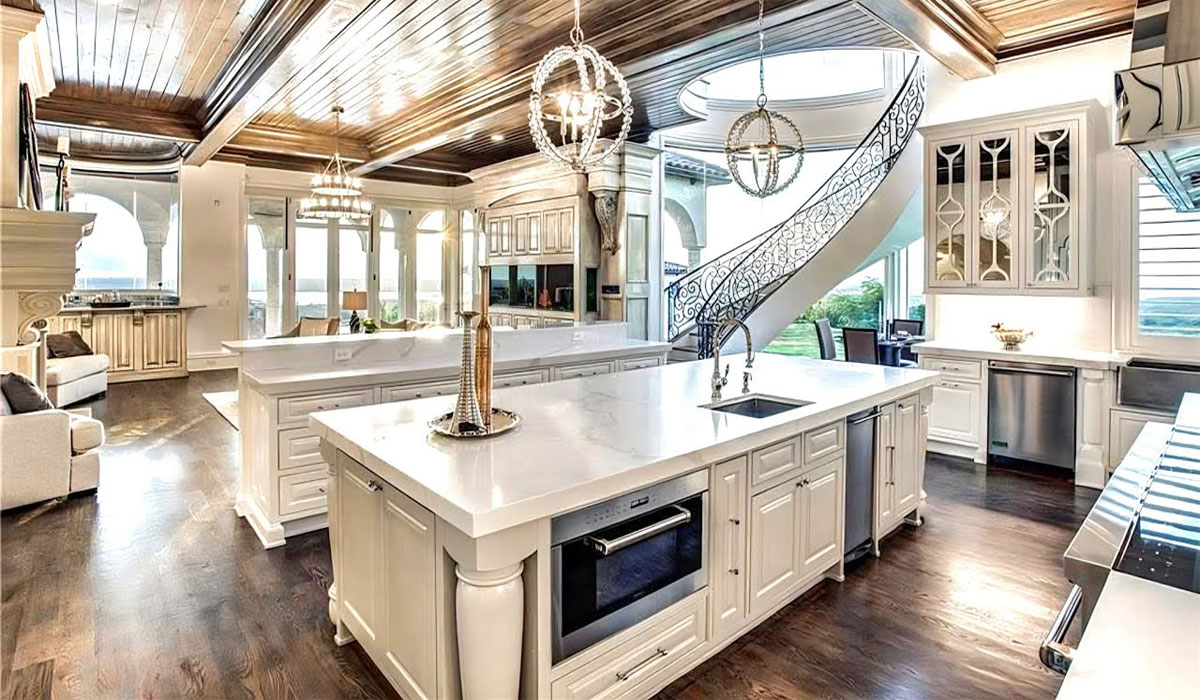
Home Design Secrets Revealed! Turn Any Space Into a Luxury Dream House
- 0
- 621 words
Creating a beautiful and comfortable home is not just about expensive furniture or large spaces With the right design approach. Even a...
Read out allThe Home Design Trends That Will Completely Change Your Space
- 0
- 645 words
Discover essential home design principles, from layout and lighting to color schemes and furniture selection, to create a functional. Home design is...
Read out all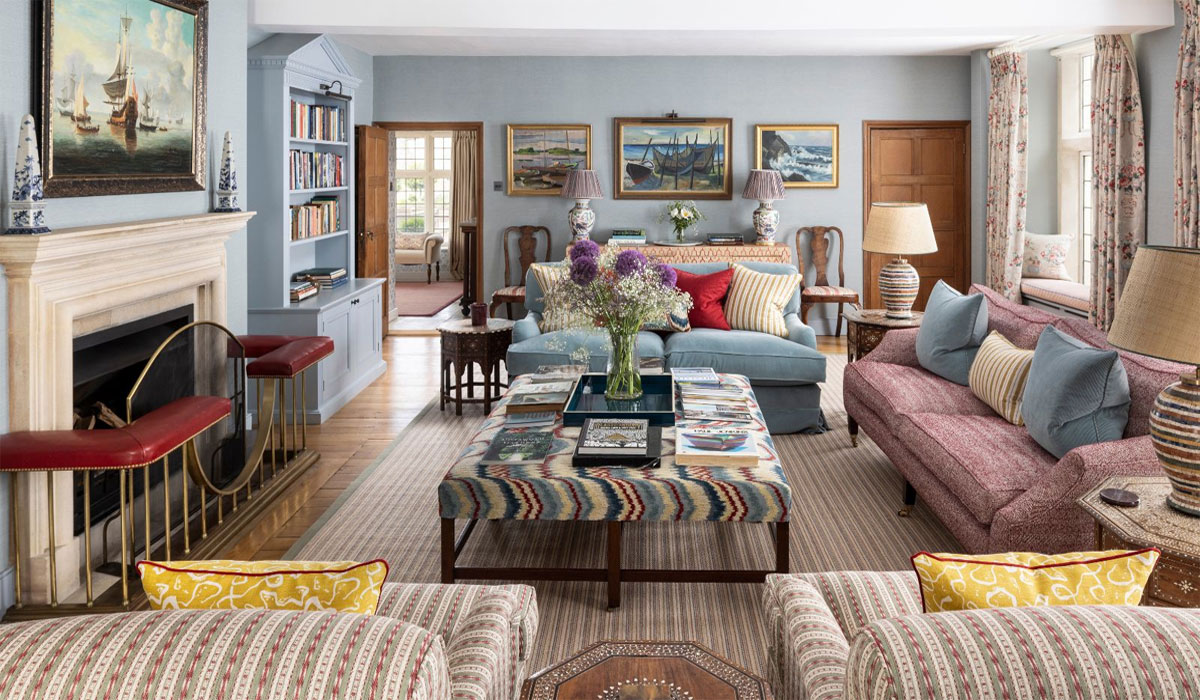
Shocking Home Design Trends That Are Changing Modern Living Forever
- 0
- 670 words
Home design is undergoing a dramatic transformation that is redefining how people experience comfort, style, and functionality in their everyday lives. What...
Read out all