- 0
- 769 words
Modern home design has become a symbol of style, status, and innovation, but beneath the sleek surfaces and curated aesthetics.
What appears as effortless elegance often conceals hidden costs, practical compromises, and overlooked mistakes that can dramatically affect both functionality and comfort. Understanding these truths is essential for anyone seeking to create a home that is not only beautiful but also livable, sustainable, and truly tailored to their lifestyle. Read more only at Luxenest Spaces.
The Illusion Of Space and Style
Modern home design often prioritizes minimalism, open spaces, and clean lines, creating an impression of spaciousness and sophistication. While these features can make interiors appear larger and more inviting, they sometimes come at the expense of practicality. For example, open-concept layouts can feel cold or echoey, making it difficult to achieve comfort or privacy in daily life.
Another common illusion is the seamless integration of furniture and décor. Sleek, modular pieces are designed for visual impact, but they can lack durability or comfort. Expensive materials and designer finishes may look stunning, yet they often require meticulous maintenance to preserve their appearance. Many homeowners discover too late that what looks perfect on a showroom floor may not suit the wear-and-tear of everyday living.
Lighting and color palettes also contribute to the illusion. Bright whites, neutral tones, and expansive windows create a sense of openness, but they can highlight flaws and demand frequent cleaning. The aesthetic appeal may overshadow functionality, leaving homeowners with a visually stunning space that is challenging to maintain or customize.
Hidden Costs In Modern Design
One of the most shocking truths about modern home design is the hidden financial burden it can impose. While sleek kitchens, designer bathrooms, and smart home features are highly desirable, they come with higher installation, maintenance, and repair costs. Many homeowners underestimate how quickly these expenses accumulate over time.
Custom furniture, imported materials, and high-end finishes often require specialized labor for installation, making renovations or updates both expensive and time-consuming. Even simple modifications can turn costly when modern design elements rely on precise measurements, unique components, or specialized tools. Budgeting for these hidden costs is critical to avoid unpleasant surprises.
Energy efficiency and sustainability are additional considerations. Large glass windows, extensive lighting, and electronic appliances can increase utility bills dramatically. Modern designs may prioritize aesthetic appeal over energy conservation, which contradicts the growing need for sustainable and cost-effective living spaces. Without careful planning, the dream home can quickly become a financial strain.
Also Read: Create Luxurious Small Spaces With Simple Next Level Design Tips
Functional Challenges In Modern Homes
Modern design often sacrifices functionality for appearance. Minimalist kitchens may lack adequate storage, while open floor plans can reduce wall space for shelving, cabinets, or entertainment setups. Families with children or pets frequently encounter challenges in maintaining order and comfort in these visually appealing but less practical layouts.
Noise control is another common issue. Open designs, hard surfaces, and minimal textiles can amplify sound, making conversations, media, or daily activities disruptive. Without proper acoustic planning, these spaces may feel less serene than their photographs suggest. Many homeowners are surprised by the gap between the imagined lifestyle and the reality of living in a highly stylized home.
Even heating, cooling, and ventilation can be compromised. Large glass walls and minimalist structures often create uneven temperature distribution, increasing reliance on HVAC systems. While modern design emphasizes clean aesthetics, ignoring the engineering behind comfort can lead to frustration and higher energy costs. Thoughtful planning is essential to balance style with everyday usability.
Trends That May Not Stand The Test Of Time
The world of modern home design is heavily influenced by trends, but trends are fleeting. Popular features today—such as ultra-minimalist furniture, bold accent walls, or industrial materials—may look dated or unappealing in a few years. Designing solely for trends risks creating a home that quickly feels out-of-style or requires expensive updates.
Technology integration, while highly attractive, comes with its own challenges. Smart home devices, automated lighting, and advanced security systems require regular updates, software maintenance, and technical support. Without proper planning, these features may become frustrating, obsolete, or incompatible with future systems, leaving homeowners reliant on costly tech solutions.
Personalization is often overlooked in the pursuit of modern aesthetics. Homes designed to reflect trends or designers’ visions may fail to accommodate the unique needs, tastes, and lifestyles of the inhabitants. Without careful consideration, what begins as a dream home can feel impersonal and difficult to adapt over time, undermining the comfort and satisfaction that good home design should provide.
Image Source:
- First Image from fisdom.com
- Second Image from fisdom.com
Author

ameliaactive@gmail.com
Related Posts
Home Transformation in the Modern Era: Smart Renovation Trends You Must Know!
- 0
- 584 words
Discover the secrets of modern home renovation that combines comfort, aesthetics, and smart technology from smart home systems. This guide covers efficient...
Read out allCreate Luxurious Small Spaces With Simple Next Level Design Tips
- 0
- 613 words
Discover simple, next-level design tips to transform small spaces into luxurious, stylish, and functional areas that feel open, elegant, and inviting. Small...
Read out allNext Level Home Design Ideas That Make Small Spaces Look Ultra Luxurious
- 0
- 553 words
Even the smallest home can be turned into a luxury-inspired space when the right design ideas are used, proving that style. Because...
Read out all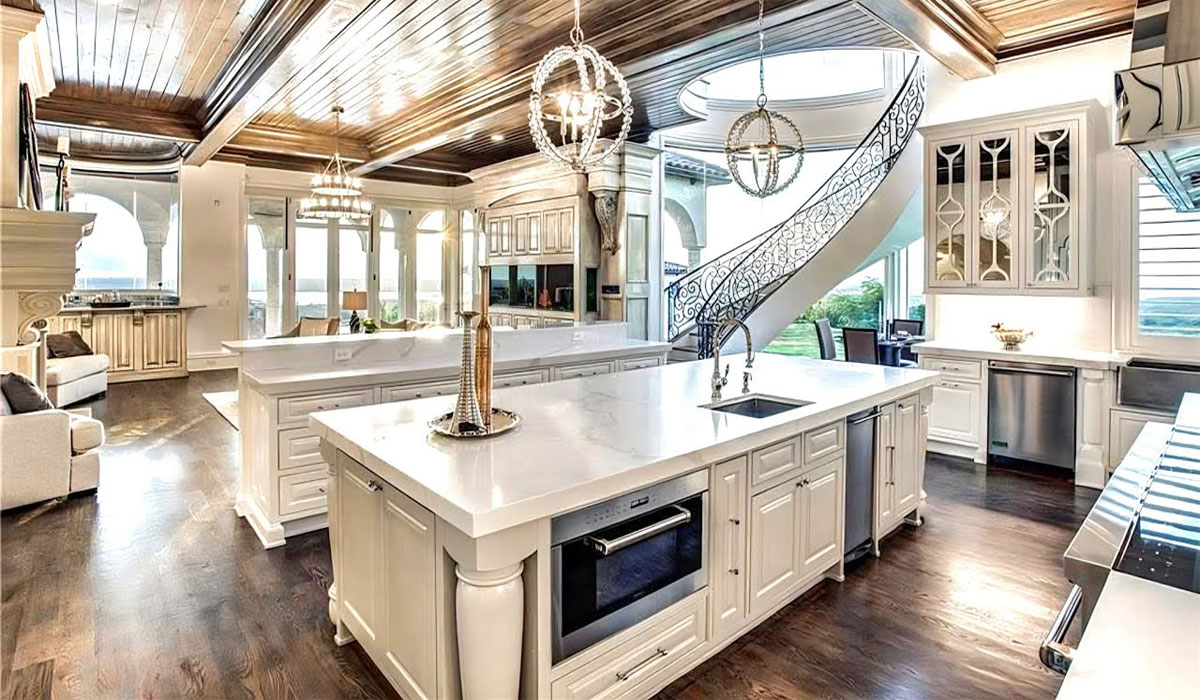
Home Design Secrets Revealed! Turn Any Space Into a Luxury Dream House
- 0
- 621 words
Creating a beautiful and comfortable home is not just about expensive furniture or large spaces With the right design approach. Even a...
Read out allThe Home Design Trends That Will Completely Change Your Space
- 0
- 645 words
Discover essential home design principles, from layout and lighting to color schemes and furniture selection, to create a functional. Home design is...
Read out all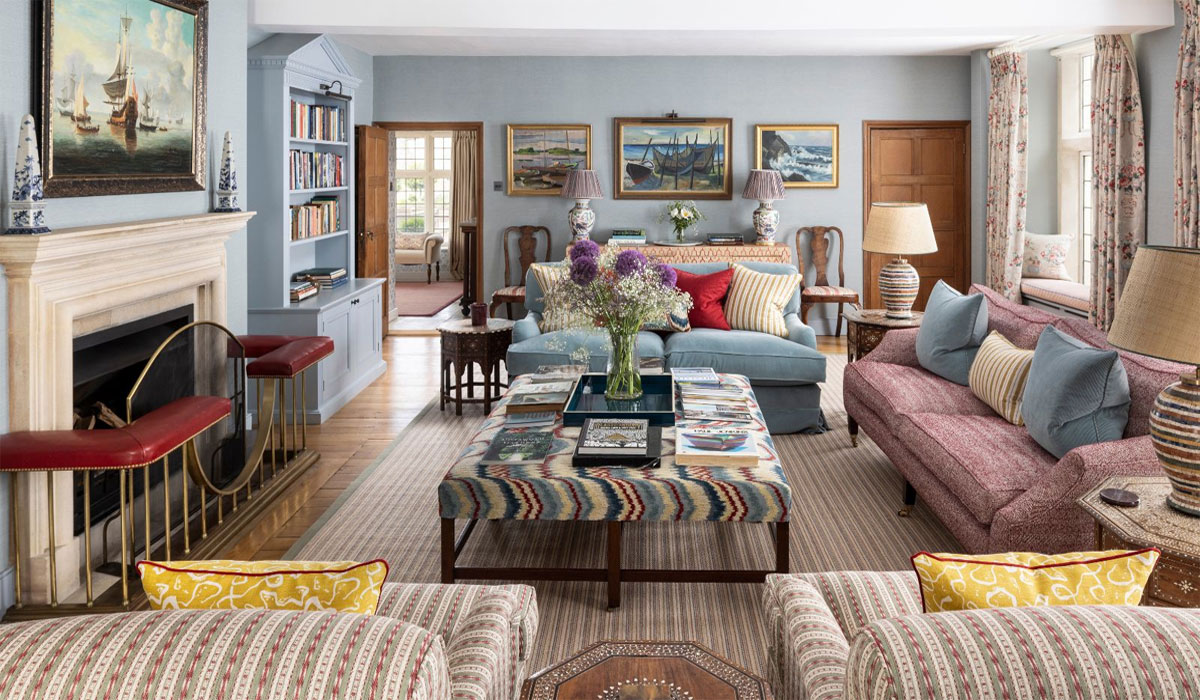
Shocking Home Design Trends That Are Changing Modern Living Forever
- 0
- 670 words
Home design is undergoing a dramatic transformation that is redefining how people experience comfort, style, and functionality in their everyday lives. What...
Read out all