- 0
- 575 words
Discover how interior design can transform your living space, learn practical tips, style ideas, and expert advice to create a home.
Interior design is more than just arranging furniture it is the art of creating spaces that are both functional and aesthetically pleasing. A well-designed interior can elevate your mood, boost productivity, and make your home or office feel welcoming. From selecting color palettes to choosing the right furniture, every detail contributes to the overall harmony of a space.
The following Luxenest Spaces will discuss about Discover how interior design can transform your living space.
Understanding Interior Design Basics
The foundation of any great interior design project starts with understanding the basics. Key elements include space, line, color, texture, and lighting. Each element influences how a room feels and functions.
Color plays a crucial role in design. Warm colors like red and orange create energy and excitement, while cool colors like blue and green promote calmness.
Finally, balance and proportion ensure that spaces feel harmonious. Symmetry creates a formal, organized look, while asymmetry can make a room feel more dynamic.
Popular Interior Design Styles
Interior design offers a wide range of styles to suit different tastes. Minimalist design emphasizes simplicity, clean lines, and a neutral palette, focusing on functionality over ornamentation.
Modern and contemporary styles often feature open spaces, bold colors, and sleek furniture, reflecting current trends. In contrast, traditional design embraces classic furnishings, rich textures, and intricate details for a timeless appeal.
Knowing which style resonates with your personality and lifestyle is essential. A cohesive style guides your choices for furniture, lighting, and accessories, helping you create a unified and inviting environment.
Also Read: Create Luxurious Small Spaces With Simple Next Level Design Tips
Furniture and Layout Tips
Choosing the right furniture and layout is crucial to maximize space and enhance functionality. Start by selecting pieces that match the scale of your room.
Layout planning should prioritize traffic flow and usability. Arrange seating areas to encourage conversation and ensure easy movement throughout the space.
Additionally, consider focal points. Highlight a statement piece, such as a unique sofa, artwork, or fireplace, to anchor the room and draw the eye. Balancing furniture placement with focal points ensures a visually appealing and comfortable environment.
Lighting and Accessories
Lighting is often overlooked but is one of the most important aspects of interior design. Natural light enhances mood, illuminates spaces, and makes rooms feel larger. Supplement with layered lighting, including ambient, task, and accent lights, to create flexibility and depth.
Accessories add personality and warmth to interiors. Rugs, cushions, curtains, and artwork contribute color, texture, and character. However, it is important to avoid clutter.
Finally, small details matter. Plants, mirrors, and decorative objects can enhance a room’s atmosphere and create a sense of harmony. Thoughtful lighting and accessories complete a space, making it both functional and visually pleasing.
Trends and Tips for Modern Interiors
Modern interior design trends emphasize sustainability, smart technology, and multifunctional spaces. Eco-friendly materials, energy-efficient lighting, and recycled décor are increasingly popular among conscious homeowners.
Smart home technology, including automated lighting, climate control, and security systems, adds convenience and efficiency without compromising style.
Finally, personalization is key. While trends offer inspiration, integrating your personal style ensures your home feels authentic. Experiment with colors, textures, and décor to reflect your personality, creating a space that is modern, comfortable, and uniquely yours.
Image Information Source:
- Main Image from ktjdesignco.com
- Second Image from decorilla.com
Author

Artetawalkers@gmail.com
Related Posts
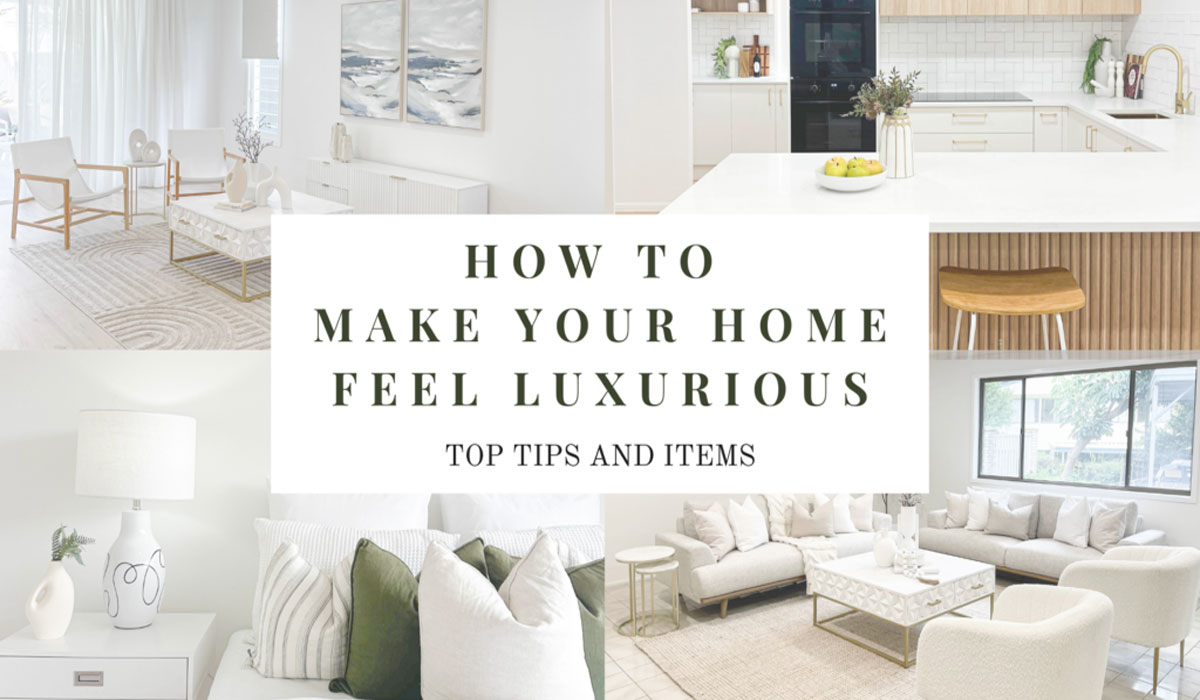
WOW! Interior Design Tricks That Instantly Make Your Home Look Luxurious on a Budget!
- 0
- 635 words
Interior design is no longer something reserved for luxury homes or expensive professionals Today anyone can transform a living space. Into something...
Read out all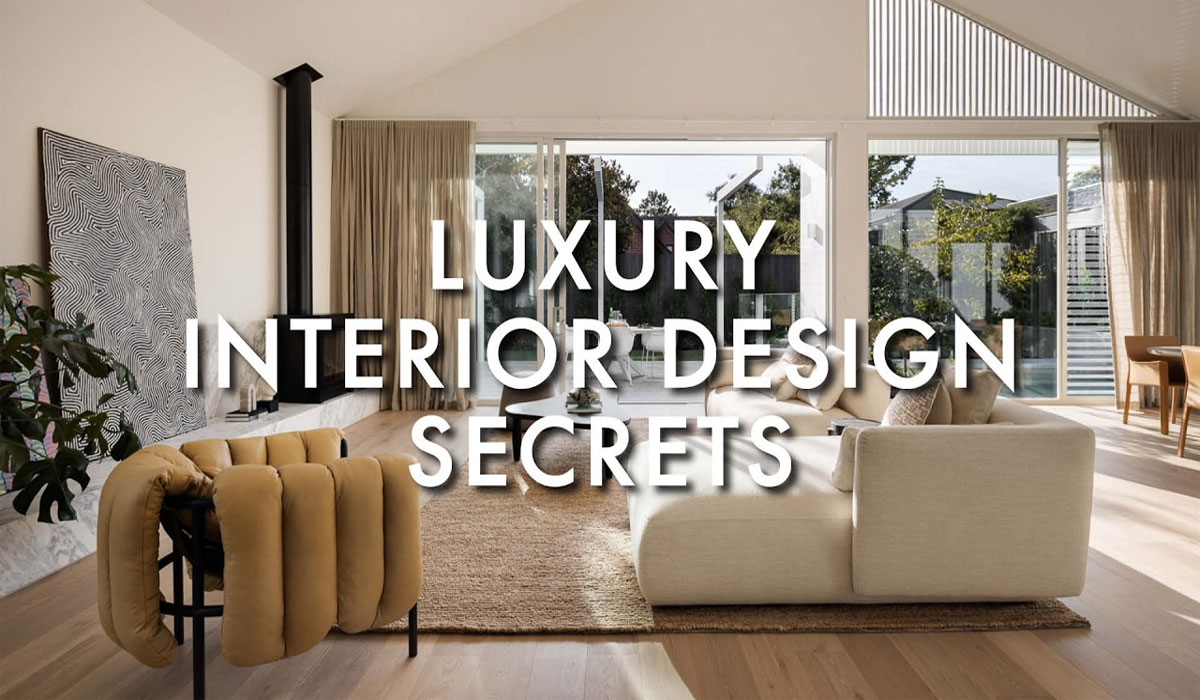
Shocking Interior Design Secrets Professionals Don’t Want You to Know
- 0
- 641 words
A beautiful home is not only about luxury furniture or expensive decorations, but about how space, light, color, and creativity work together....
Read out all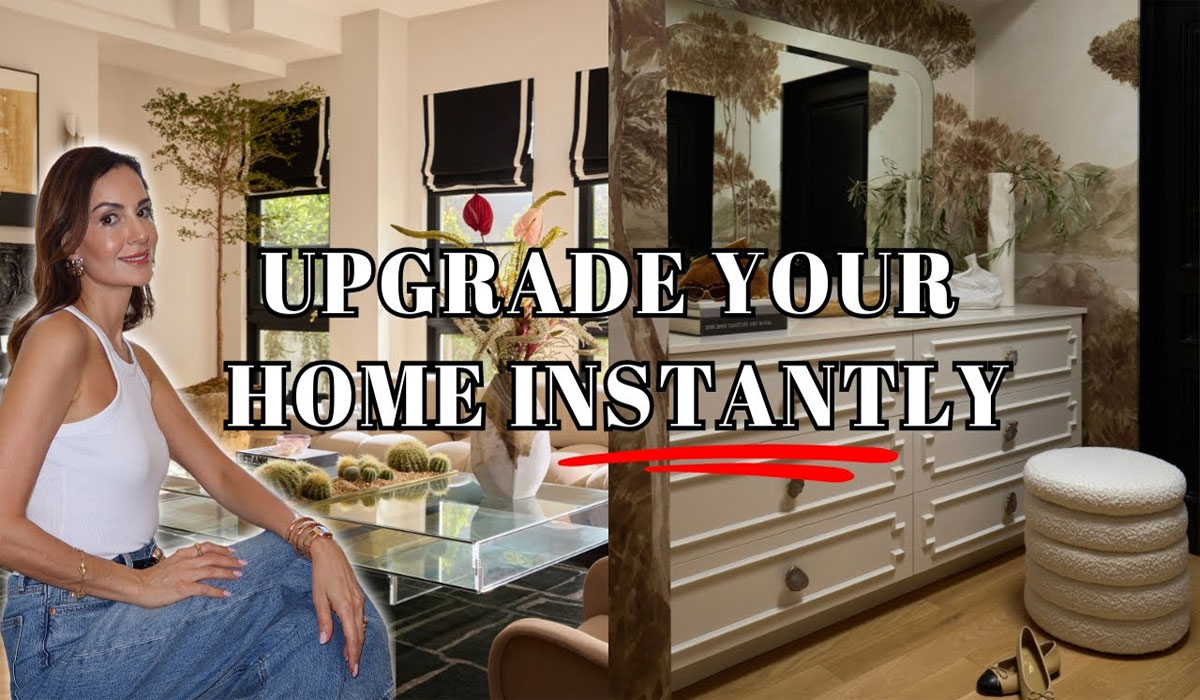
You Won’t Believe These Interior Design Tricks That Instantly Make Your Home Look Luxurious!
- 0
- 848 words
A beautifully designed home can instantly elevate your mood, impress guests, and create a sense of comfort and luxury. Yet, many people...
Read out all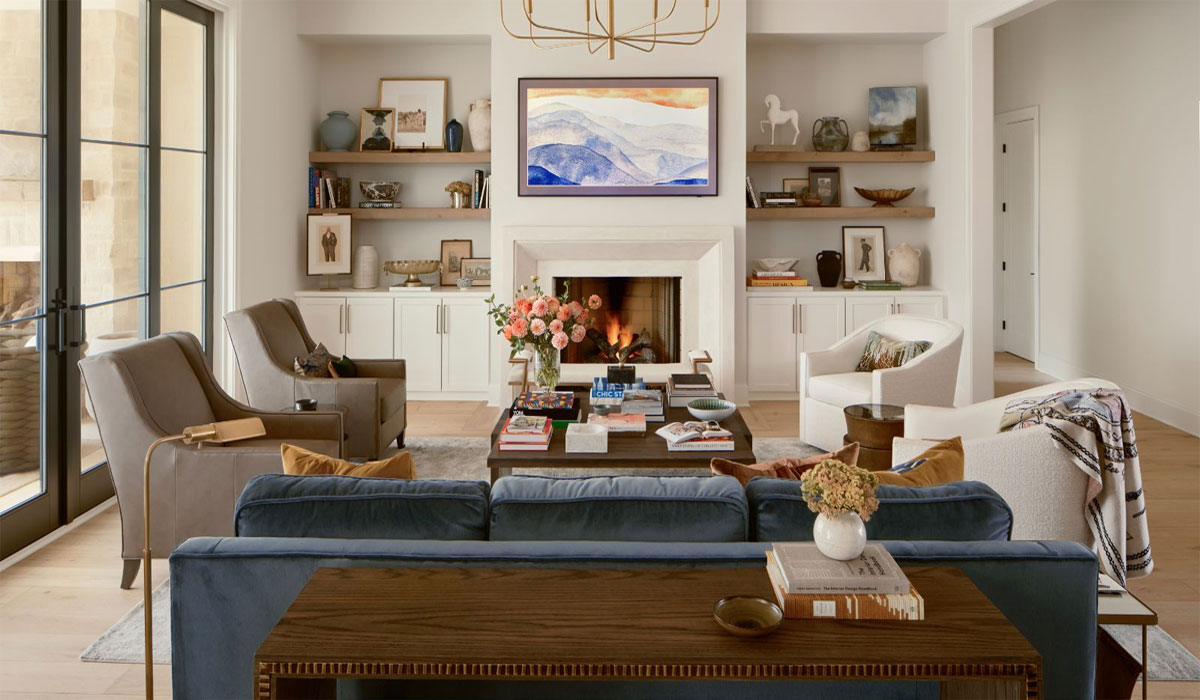
Shocking Home Makeover Secrets Interior Designers Don’t Want You to Know
- 0
- 613 words
A beautiful home is not just about expensive furniture or luxury materials It is about thoughtful design smart planning and understanding how...
Read out all