- 0
- 537 words
Learn essential home design principles, styles, space planning tips, and modern trends to create beautiful, functional.
Home design shapes how people live, feel, and interact within their personal spaces. A well-designed home improves comfort, boosts productivity, and reflects personal style. Many homeowners want attractive interiors but often struggle to balance aesthetics with functionality.
What Is Home Design?
Home design refers to the planning and arrangement of interior and exterior spaces within a house. It combines creativity, functionality, and comfort to create livable environments that suit daily needs.
Good home design focuses on how people move and interact within a space. Designers consider layout, lighting, furniture placement, and color schemes to improve usability and appearance.
Home design also reflects personality. Every choice, from wall color to furniture style, communicates taste and lifestyle. A well-designed home creates harmony between beauty and practicality.
Essential Principles of Home Design
Successful home design follows several core principles that guide layout and decoration. Balance plays a major role in creating visual harmony. Designers arrange furniture and decor to avoid overcrowded or empty spaces.
Proportion and scale also influence design quality. Furniture must fit the size of the room to maintain comfort and flow. Oversized items can overwhelm small rooms, while small furniture can look lost in large spaces.
Unity and consistency help create a cohesive look. Designers often use a consistent color palette or theme throughout the home. This approach creates a smooth visual transition from one room to another.
Also Read: Shocking Results! This Home Decor Style Is Taking Over The Internet Fast
Popular Home Design Styles
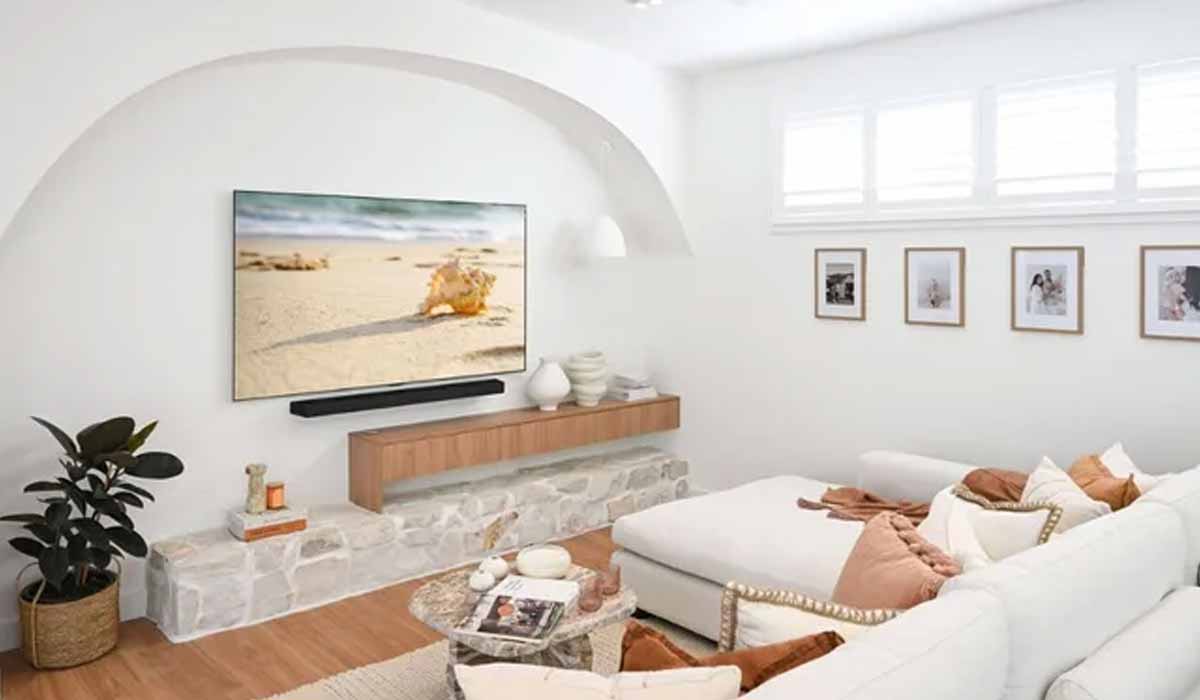
Different design styles help homeowners express their personality and preferences. Minimalist design focuses on simplicity, clean lines, and functional spaces. It removes unnecessary items and creates a calm atmosphere.
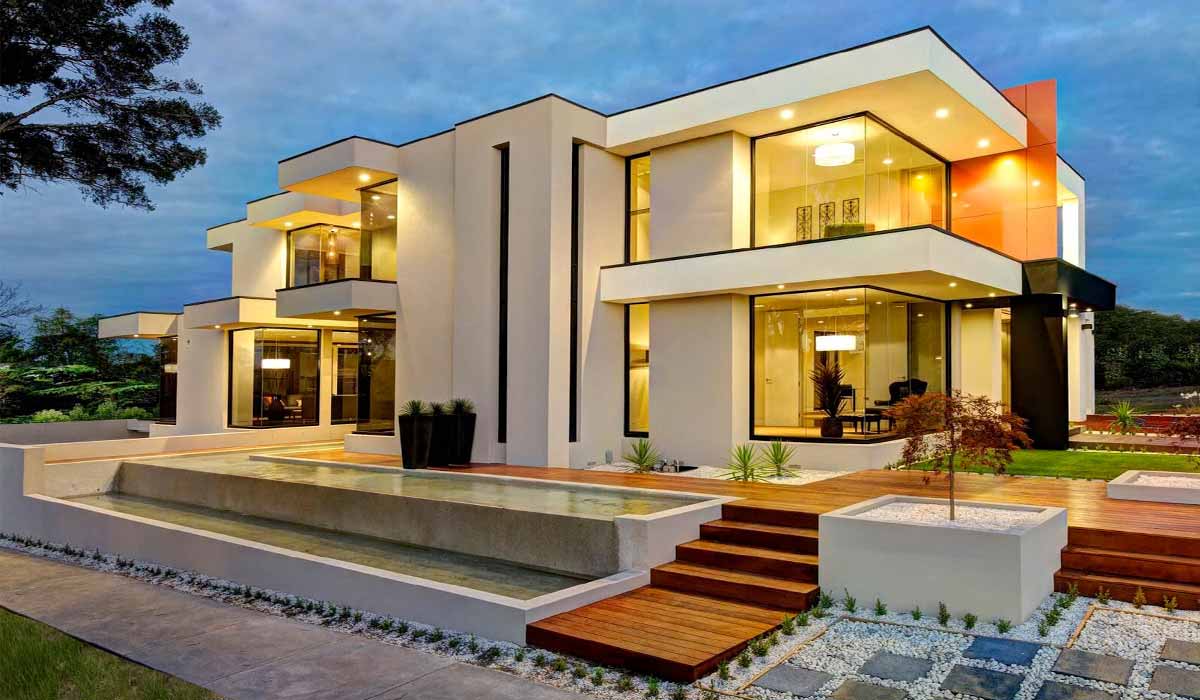
Modern design emphasizes sleek surfaces, neutral colors, and open layouts. This style often uses glass, steel, and wood to create a contemporary look. Many people choose modern design for its clean and organized appearance.
Rustic design highlights natural materials and warm tones. Wood, stone, and earthy colors create a cozy and traditional feel. This style connects indoor spaces with nature.
Space Planning and Functionality
Space planning plays a critical role in home design. A well-planned layout improves movement, comfort, and efficiency. Designers analyze how people use each room before arranging furniture and features.
Living rooms often serve as social spaces. Designers place seating areas to encourage conversation and interaction. They also ensure easy movement throughout the room.
Kitchens require functional layouts that support cooking and storage. Designers arrange appliances, cabinets, and workspaces in a way that improves efficiency and reduces unnecessary movement.
Modern Trends in Home Design
Home design continues to evolve with new trends and technologies. Smart homes gain popularity as people adopt automated systems for lighting, security, and temperature control. These technologies improve convenience and energy efficiency.
Sustainable design also grows in importance. Homeowners choose eco-friendly materials, energy-saving appliances, and natural ventilation systems. Sustainable choices reduce environmental impact and lower utility costs.
Open-concept layouts remain a strong trend. These designs remove unnecessary walls and create larger, more connected living spaces. Open layouts improve natural light flow and enhance social interaction.
Image Information Source:
- Main Image from grollo homes
- Second Image from Homes To Love
Author

Related Posts
The Evolution of Modern Home Design: Trends, Functions, and the Future
- 0
- 590 words
The evolution of modern home design shows a major change in the way people build and enjoy their homes homes are no...
Read out allHome Design Ideas That Instantly Make Any Space Look Expensive
- 0
- 612 words
The secret to making a home look expensive is not money, but how each element is designed, arranged, and balanced within the...
Read out allSimple Yet Beautiful Ways To Decorate Your Home
- 0
- 577 words
A beautiful home does not always require expensive decoration, but rather creativity and simple ideas that bring comfort and style together. Creating...
Read out allMassive Reveal! Home Design Secrets That Will Blow Your Mind
- 0
- 790 words
Discover shocking home design secrets that experts rarely share, Transform your space with hidden tips that will surprise you. Home design is...
Read out allTransform Your Home Overnight With These Hidden Design Tricks
- 0
- 666 words
Every home has hidden potential, and with the right design tricks, you can unlock a stunning transformation in just one day. Simple...
Read out allThe Dirty Truth About Modern Home Design That Will Shock You
- 0
- 769 words
Modern home design has become a symbol of style, status, and innovation, but beneath the sleek surfaces and curated aesthetics. What appears...
Read out all