- 0
- 590 words
The evolution of modern home design shows a major change in the way people build and enjoy their homes homes are no longer just a place to live.
Minimalist trends, the use of environmentally friendly materials, and the integration of smart home technology are important parts of this development, where function, aesthetics, and technological innovation are combined in modern home design.
Watch and keep following the latest and most viral information only on Luxenest Spaces.
The Evolution of Modern Home Design
Home design is currently experiencing rapid development in line with changes in modern lifestyles. Homes no longer merely function as a place to live, but also as a space for work, rest, and expression. This has led to increasingly diverse and innovative home design concepts.
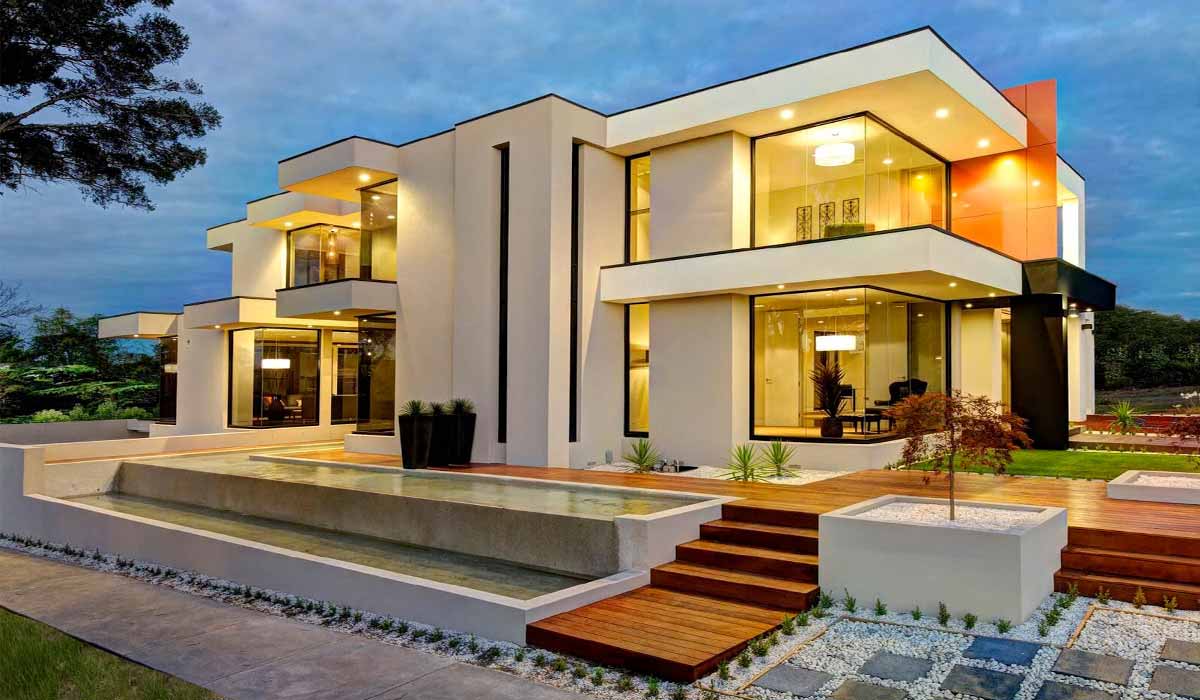
One of the most prominent trends is minimalist design. This style prioritizes simplicity, efficient use of space, and neutral colors, creating a clean and spacious impression. Many people choose minimalist design because it is easier to maintain and still looks elegant.
Furthermore, modern home design is also beginning to incorporate natural elements such as natural lighting, open ventilation, and the use of environmentally friendly materials. This concept not only provides comfort but also supports a healthier and more sustainable lifestyle.
The Importance of Function in Home Design
In the world of home design, function is a crucial aspect, alongside aesthetics. A good home must optimally meet the needs of its occupants, from the bedroom and kitchen to the family room and work area. Each space should be designed to have a clear and efficient function.
Good spatial planning can enhance occupant comfort. For example, proper window placement can maximize natural light, while effective space division can create a more organized and comfortable atmosphere. This makes daily activities easier and more enjoyable.
Furthermore, functional home design also emphasizes spatial flexibility. Many modern homes now utilize the concept of multifunctional spaces that can be adapted to suit various needs, such as a living room that doubles as a workspace or a family room that can be converted into an entertainment area.
Also Read: You Won’t Believe How Interior Design Can Change Your Home Completely!
Materials and Technology in Home Design
Material selection is an important factor in modern home design. Materials such as wood, glass, and concrete are often used to create an aesthetically pleasing yet strong appearance. This combination of materials creates a modern yet warm and comfortable feel.
Beyond materials, technology also plays a significant role in today’s home design world. Smart home systems allow residents to control various aspects of the home, such as lighting, security, and room temperature, through digital devices. This technology provides greater comfort and efficiency.
The use of environmentally friendly technologies is also increasingly popular. Solar panels, water-saving systems, and energy-efficient designs are becoming part of the concept of a sustainable modern home. This not only reduces operational costs but also supports environmental conservation.
A More Innovative Future for Home Design
The future of home design is predicted to become increasingly innovative, with the integration of technology and evolving human needs. The smart home concept will become a new standard in the property industry, where almost every aspect of the home can be controlled automatically.
Furthermore, home design will become increasingly personalized and tailored to the lifestyles of its occupants. Each home will be uniquely designed to reflect the personality, needs, and preferences of its owner. This makes home design more flexible and creative.
Image Information Source:
- First Image of coloradohomesmag.com
- Second Image of rmcad.edu
Author

Related Posts
Home Design Secrets That Turn Any House into a Dream Home
- 0
- 537 words
Learn essential home design principles, styles, space planning tips, and modern trends to create beautiful, functional. Home design shapes how people live,...
Read out allHome Design Ideas That Instantly Make Any Space Look Expensive
- 0
- 612 words
The secret to making a home look expensive is not money, but how each element is designed, arranged, and balanced within the...
Read out allSimple Yet Beautiful Ways To Decorate Your Home
- 0
- 577 words
A beautiful home does not always require expensive decoration, but rather creativity and simple ideas that bring comfort and style together. Creating...
Read out allMassive Reveal! Home Design Secrets That Will Blow Your Mind
- 0
- 790 words
Discover shocking home design secrets that experts rarely share, Transform your space with hidden tips that will surprise you. Home design is...
Read out allTransform Your Home Overnight With These Hidden Design Tricks
- 0
- 666 words
Every home has hidden potential, and with the right design tricks, you can unlock a stunning transformation in just one day. Simple...
Read out allThe Dirty Truth About Modern Home Design That Will Shock You
- 0
- 769 words
Modern home design has become a symbol of style, status, and innovation, but beneath the sleek surfaces and curated aesthetics. What appears...
Read out all