- 0
- 467 words
Interior design combines creativity and functionality to transform living spaces, this article explores design principles, color choices.
Interior design influences how people feel, move, and function inside a space. A well-designed home creates comfort, efficiency, and visual harmony. Many people underestimate how much design affects daily life. Modern living requires spaces that support multiple activities. Homes now serve as workplaces, relaxation areas, and social environments.
The following Luxenest Spaces will discuss about Interior design combines creativity and functionality to transform living spaces.
Space Planning Creates Functional Layouts
Space planning determines how people use a room. Designers arrange furniture and pathways to maximize usability. A clear layout improves movement and comfort.
Every room needs a focal point. It could be a sofa, a bed, or a decorative feature. This element anchors the design and guides the arrangement.
Good spacing prevents clutter. People should move easily without obstacles. Open pathways improve both safety and visual flow.
Color Selection Sets Mood and Atmosphere
Conclusion: Interior Design Combines Beauty and Function
Interior design blends creativity with practical planning. Space layout, color, furniture, lighting, and decor all contribute to a successful design.
People who focus on these elements create spaces that support comfort and style. A well-designed interior improves daily life and reflects personal identity.
Neutral colors provide flexibility. They allow easy changes in decor and accessories. Many designers use neutral bases with accent colors.
Also Read: The Evolution of Modern Home Design: Trends, Functions, and the Future
Furniture Choice Defines Style and Comfort
Furniture shapes both the look and function of a room. People choose pieces that match their lifestyle and design theme. Comfort remains just as important as appearance.
Quality materials improve durability and value. Solid wood, metal, and high-quality fabrics last longer. Investing in good furniture reduces long-term costs.
Multi-functional furniture supports modern living. Items like storage beds or foldable tables save space. These solutions work well in smaller homes.
Lighting Enhances Design and Functionality
Lighting transforms how a space looks and feels. It highlights design elements and supports daily activities. A good lighting plan includes multiple layers.
Ambient lighting provides general illumination. It ensures that the entire room remains visible and comfortable. Ceiling lights often serve this purpose.
Task lighting supports specific activities. Desk lamps and kitchen lights improve focus and productivity. These lights target functional areas.
Decor and Details Complete the Design
Decor elements bring personality into a space. Items like artwork, rugs, and plants add character. These details make a room feel complete.
Textures create visual and tactile interest. Combining materials like wood, fabric, and metal adds depth. This variety enhances the design experience.
Plants add life and freshness. They improve air quality and create a calming atmosphere. Green elements connect indoor spaces with nature.
Image Information Source:
- Main Image from YouTube
- Second Image from Decorilla
Author

Related Posts
You Won’t Believe How Interior Design Can Change Your Home Completely!
- 0
- 604 words
Interior design shapes how people experience their living spaces by combining style, comfort, and functionality. Interior design plays a major role in...
Read out allTransform Your Home: Interior Design Secrets Designers Don’t Tell You
- 0
- 575 words
Discover how interior design can transform your living space, learn practical tips, style ideas, and expert advice to create a home. Interior...
Read out all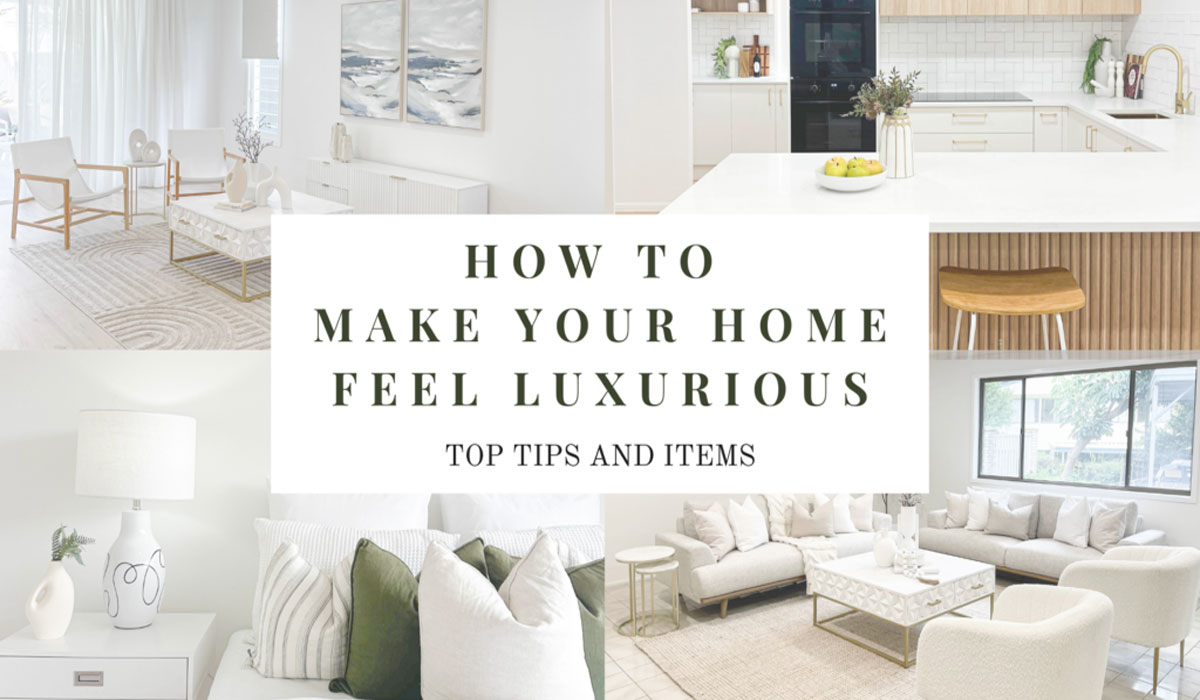
WOW! Interior Design Tricks That Instantly Make Your Home Look Luxurious on a Budget!
- 0
- 635 words
Interior design is no longer something reserved for luxury homes or expensive professionals Today anyone can transform a living space. Into something...
Read out all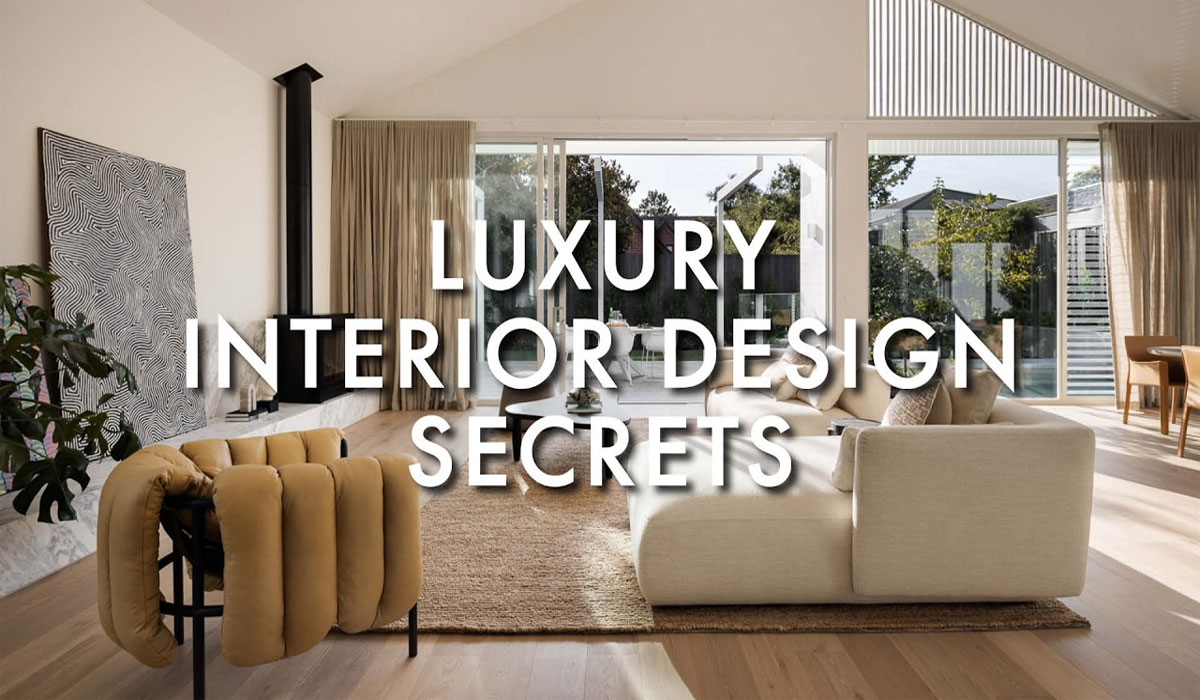
Shocking Interior Design Secrets Professionals Don’t Want You to Know
- 0
- 641 words
A beautiful home is not only about luxury furniture or expensive decorations, but about how space, light, color, and creativity work together....
Read out all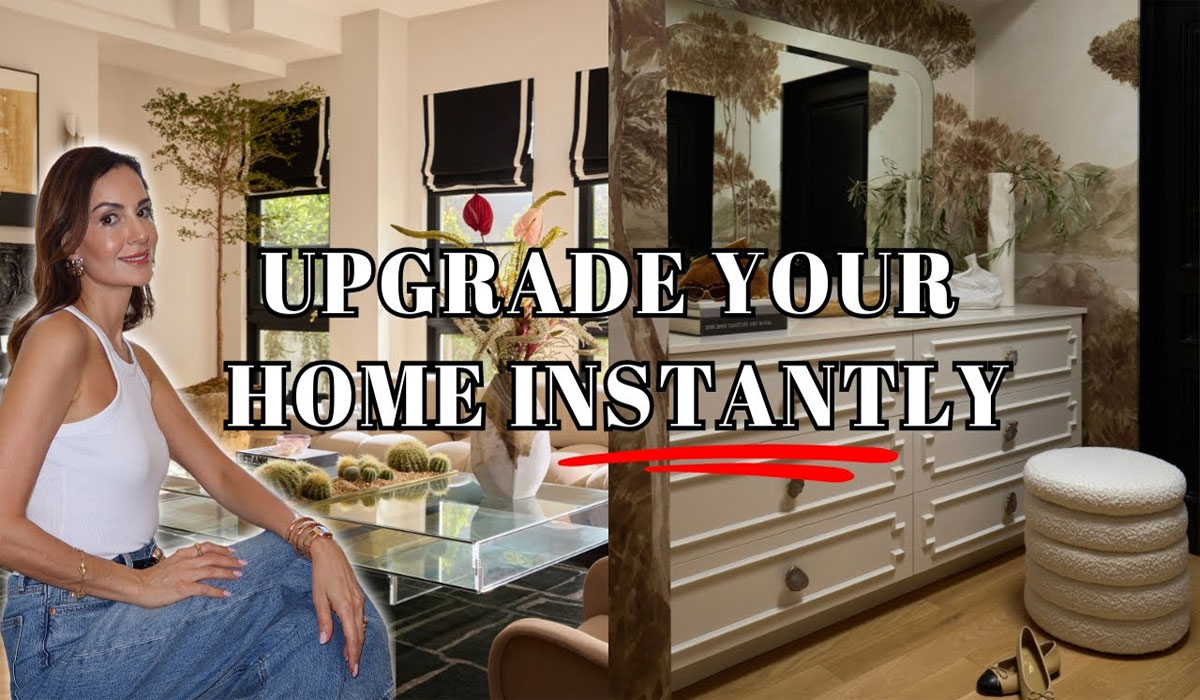
You Won’t Believe These Interior Design Tricks That Instantly Make Your Home Look Luxurious!
- 0
- 848 words
A beautifully designed home can instantly elevate your mood, impress guests, and create a sense of comfort and luxury. Yet, many people...
Read out all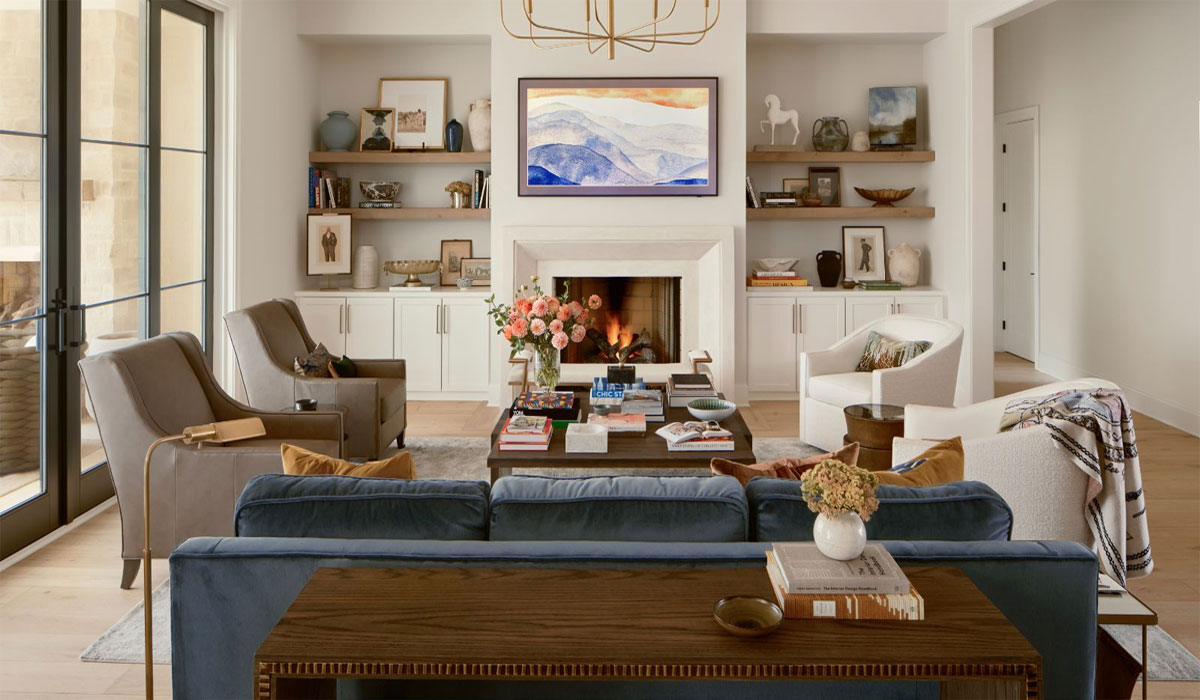
Shocking Home Makeover Secrets Interior Designers Don’t Want You to Know
- 0
- 613 words
A beautiful home is not just about expensive furniture or luxury materials It is about thoughtful design smart planning and understanding how...
Read out all